Family
One pot, many hands. Sombe is rarely made for one person — it's made because someone is coming home, or because the whole house needs feeding at once.
A Dev Community Frontend Challenge — Comfort Food Edition
Every dish tells a story. Discover the warmth, tradition, and memories behind one of Congo's most beloved comfort foods.
Explore the Story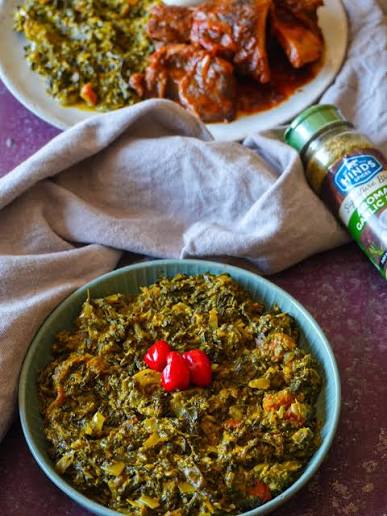
The Story
In most Congolese homes, Sombe doesn't announce itself. It's simply there — the pot that's always simmering somewhere in the back of the kitchen, tended between other chores, its smell settling into the walls long before anyone sits down to eat.
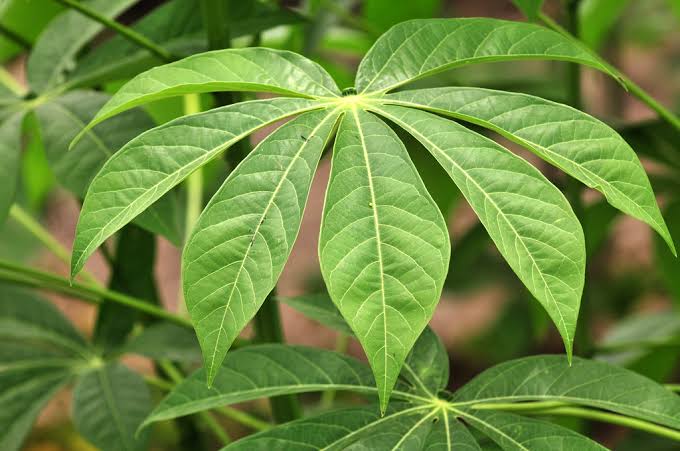
The dish is made from cassava leaves, pounded fine and cooked down for hours until they turn soft and deep green, folded together with palm oil and peanut paste. It takes patience. Nobody rushes Sombe, and that slowness is part of what it teaches: some things are worth the wait, and the people who wait together are the ones who end up close.
Ask someone from the DRC what Sombe tastes like and they won't describe the ingredients first. They'll describe a kitchen. A grandmother's hands. A Sunday when everyone happened to be home at once. The dish carries the memory of the room it was cooked in.
"You don't really learn to cook Sombe from a recipe. You learn it by standing next to someone who already knows, until your hands remember what to do."
Why It Feels Like Home
One pot, many hands. Sombe is rarely made for one person — it's made because someone is coming home, or because the whole house needs feeding at once.
The pounding, the slow simmer, the order the ingredients go in — none of it is written down. It passes from hand to hand, exactly as it always has.
Neighbors drop by around mealtime, somehow, every time. There's always a spoon for one more, and a plate that gets passed before it's even asked for.
What Goes In
Simple on paper. Everything hinges on how it's handled. Hover or tap a card to see why each one matters.
The heart of the dish. Young leaves are pounded fine, then cooked for hours until silky and deep green.
Brings richness and its unmistakable amber colour — the flavour most people say they miss first when they're away from home.
Stirred in near the end for body and a gentle nuttiness that rounds off the bitterness of the leaves.
Crushed, not sliced — it needs to melt into the oil so it seasons the whole pot, not just a bite of it.
Softened first, low and slow, to build the base every other flavour in the pot is going to lean on.
Added in small amounts, tasted often. The cook trusts their memory of how it should taste, not a measuring spoon.
Flaked in for households that want it heartier — a Sunday version of a dish already eaten most days of the week.
How It's Made
Young cassava leaves are picked in the cool of the morning, chosen for tenderness over size.
Leaves are rinsed thoroughly, stems removed by hand, to clear away grit and any lingering bitterness.
Pounded in a mortar until fine — the rhythmic, unhurried work that gives the dish its signature texture.
Simmered for hours with oil, aromatics, and peanut paste, until the leaves turn soft and deeply savoury.
Spooned generously over fufu or rice, always enough for whoever else might turn up at the table.
Gallery
Cultural Importance
In Congolese households, Sombe shows up at the moments that matter: Sunday lunches, funerals, homecomings, the first meal after a long trip. It is comfort food in the most literal sense — food you turn to when you need to feel steady again.
It's also a dish of resourcefulness. Cassava grows readily across the region, and turning its leaves — not just the root — into something nourishing reflects a broader instinct in Congolese cooking: waste nothing, stretch everything, feed everyone.
For the diaspora, Sombe becomes something closer to an anchor. Recreating it abroad, often with substitute greens when cassava leaves aren't available, is less about the taste matching exactly and more about the ritual holding steady, no matter how far from home it's cooked.
Across the Country
Sombe changes shape as it travels — shaped by what grows nearby and what each region has always reached for.
The city version, often enriched with smoked fish or beef and a generous hand with palm oil, served alongside fufu at nearly every family gathering.
A drier preparation, cooked down further and paired with pondu-style seasoning that leans on chili for extra warmth.
Sometimes made with dried caterpillars or beans folded in, reflecting the protein traditions of the southeast.
Closer to the source of the palm oil trade, this version is richer and glossier, often left to simmer the longest of all.